In the UAE, a car parked outdoors without shade is not just getting warm. It is being continuously degraded by ultraviolet radiation in ways that affect the paint, the interior, the plastics, and the mechanical systems — often before any visible damage is obvious.
Understanding what UV exposure actually does to a vehicle explains why shade structures are not just a comfort upgrade but a maintenance decision with real financial implications.
What UV Radiation Does to Car Paint
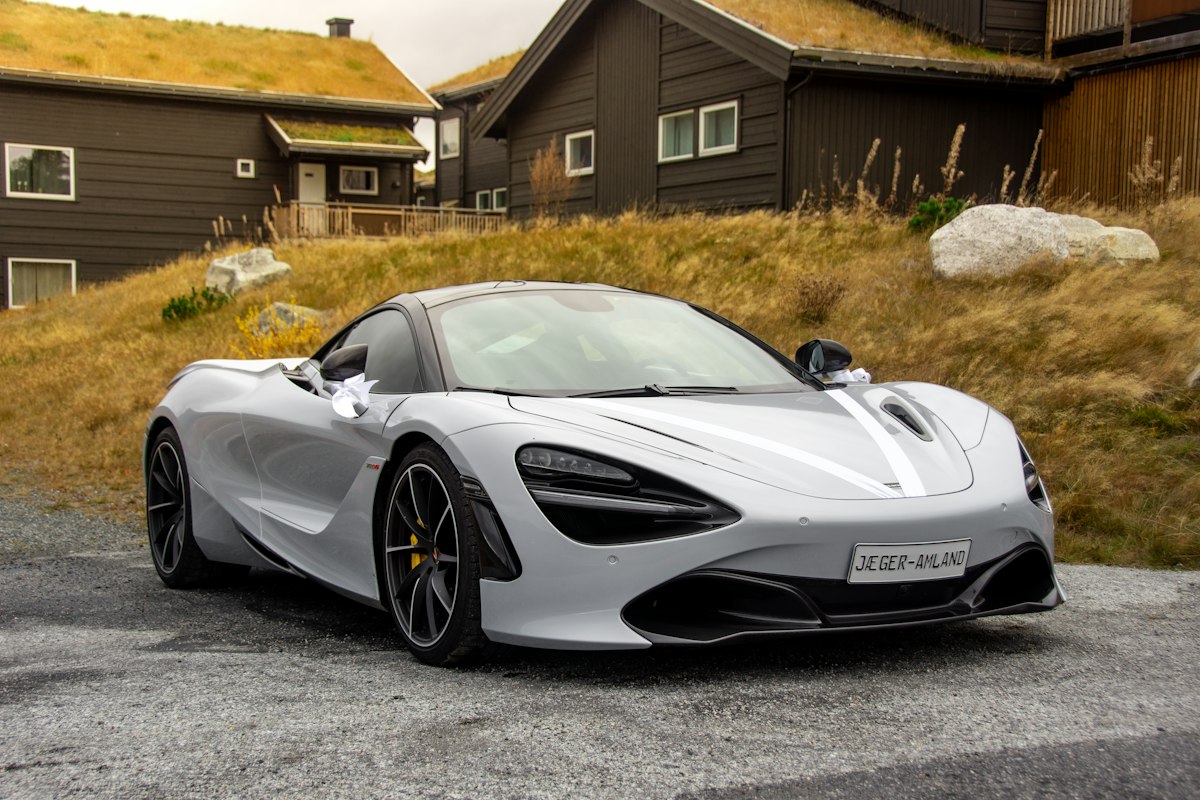
Car paint contains pigments and binders. Ultraviolet radiation breaks down the chemical bonds in these materials — a process called photodegradation. The visible result is oxidation: paint that looks dull, chalky, or faded. In the Gulf climate, this process happens significantly faster than in more temperate regions because UV intensity is higher and the exposure is year-round.
Modern clear-coat finishes offer some protection, but they are not immune. Once the clear coat starts to degrade — which shows as a milky or peeling surface — the base coat underneath becomes vulnerable. At that point, a respray is the only fix. Clear-coat failure on a car in the UAE can happen in three to five years of regular outdoor parking without protection, compared to ten or more years in northern European climates.
Interior Damage: Dashboards, Seats, and Trim
The interior of a car parked in direct sun in summer can reach 80°C or higher. At those temperatures, UV radiation combined with heat causes:
- Dashboard cracking — plastics lose plasticizers over time and become brittle. Hairline cracks appear, then deeper ones.
- Seat fading and cracking — leather and vinyl both degrade under UV. Leather loses moisture and suppleness. Vinyl cracks along stress points.
- Steering wheel and gear knob degradation — rubberised coatings become tacky, then hard, then peeling.
- Instrument cluster discolouration — plastics around gauges and screens yellow or warp.
None of this affects how the car drives. All of it affects resale value significantly. A well-maintained interior is one of the stronger factors in private sale price — buyers notice cracked dashboards and faded seats immediately.
Mechanical and Rubber Component Effects
UV and heat do not stop at the surface. Rubber components — tyres, door and window seals, hoses — all degrade faster with sustained UV and thermal exposure. Tyre sidewalls crack, seals harden and leak, and under-bonnet hoses become brittle over a compressed timeline compared to shaded storage.
Tyres are worth specific attention. The rubber compounds in tyre sidewalls contain chemicals called antiozonants that protect against cracking. Direct sunlight degrades these compounds faster than normal. A tyre that looks fine on tread depth may have compromised sidewall integrity from years of outdoor parking — a fact not visible during a routine inspection.
Watch: How Sun and Heat Damage Your Car Over Time
This informational video explains the science behind UV and heat damage to vehicle components in hot climates:
How Car Parking Shades Reduce UV Damage
A properly installed car parking shade structure reduces direct UV exposure to the vehicle’s surfaces. The effectiveness depends on the shade fabric used:
- HDPE (High-Density Polyethylene) shade cloth — blocks 70 to 95% of UV radiation depending on density. The most common material used in residential and commercial shade sails in the UAE.
- PVC-coated polyester — blocks virtually all UV and significantly reduces heat transfer. Used in more substantial permanent structures.
- Polycarbonate sheets — can be UV-blocking or UV-transmitting depending on specification. Check the UV blocking rating before assuming protection.
Beyond UV blocking, a shade structure reduces the surface temperature of the car significantly. Research from desert climate studies shows that a shaded vehicle’s surface can be 20 to 30°C cooler than an identical unshaded vehicle in similar conditions — which directly reduces the thermal degradation of paint and interior materials.
The Financial Case for Shade
A clear-coat respray on a mid-sized sedan in the UAE costs between AED 2,000 and AED 6,000 depending on vehicle size and paint quality. A full interior restoration — seat reconditioning, dashboard repair — can run considerably more.
A residential car parking shade sail or simple cantilever structure ranges from AED 800 to AED 3,000 installed. It does not take complicated maths to see that the shade structure pays for itself many times over in deferred maintenance costs — particularly for newer vehicles or premium models where paint and interior quality significantly affect depreciation.
This is not a luxury calculation. For a vehicle that is expected to last eight to twelve years in UAE conditions, outdoor shade is a maintenance investment with a clear return.