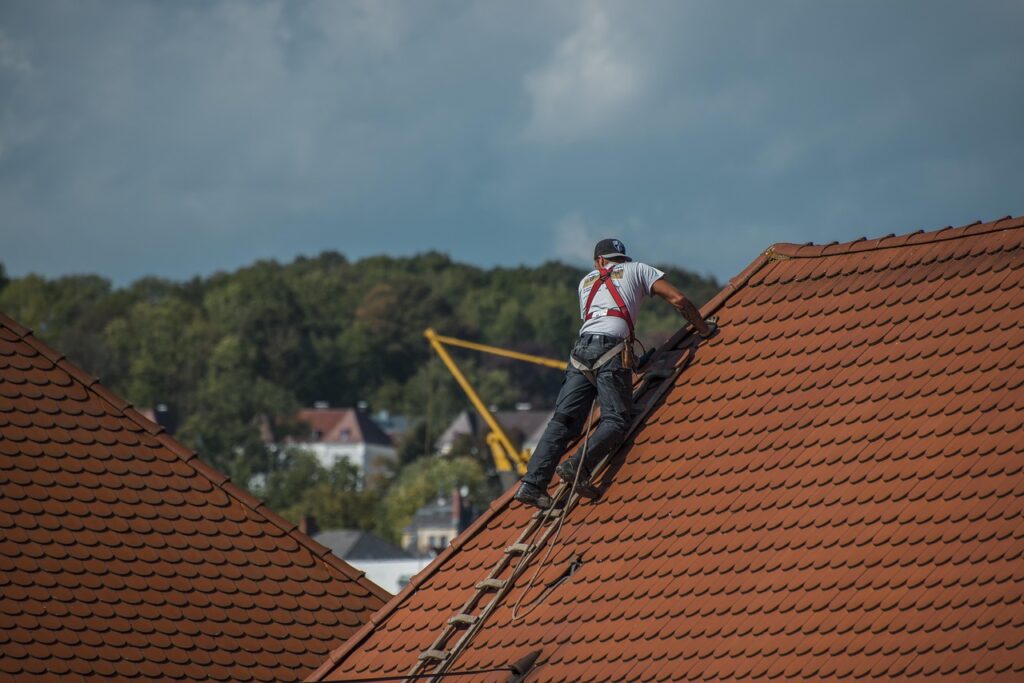
The honest answer is: it depends on what is wrong. A small leak repair takes a few hours. A full roof replacement on a large house can stretch across three or four days. Contractors who give you a single number before seeing your roof are guessing.
Here is what actually drives the timeline — broken down by job type.

Minor Repairs: A Few Hours to One Day
If you have a few missing shingles, a cracked flashing section, or a small puncture, most experienced roofers can handle that in two to four hours. That includes pulling the old material, cutting in the replacement, sealing edges, and a quick check of the surrounding area.
Problems that fall into the minor category:
- Replacing 5 to 15 shingles
- Resealing pipe boots or vent flashings
- Patching a small hole caused by a branch or debris
- Reapplying sealant around a chimney
One caveat: if the crew shows up and finds the damage is worse than expected — which happens often with leaks — the job gets longer. Water damage spreads. What looks like a surface issue sometimes means wet decking underneath.
Moderate Repairs: One to Two Days
When a section of roof needs to be stripped and replaced rather than patched, you are looking at a day, sometimes two. This covers things like storm damage to a section of the roof, widespread granule loss on one slope, or flashing that has failed along a long ridge or valley.
The variables that push this longer:
- Two-story or steep-pitch roofs that require more safety setup
- Rotten decking that needs to be replaced before new material goes on
- Multiple damaged areas scattered across different parts of the roof
- Weather delays — no roofer lays shingles in the rain
Full Roof Replacement: One to Four Days
A complete tear-off and replacement on a standard single-story home of around 1,500 to 2,000 square feet typically takes one to two days with a proper crew. Larger homes, complex rooflines, or multiple layers of old material being stripped extend that to three or four days.
What affects replacement timelines most:
- Roof size — measured in squares (one square = 100 sq ft). A 20-square roof takes much less time than a 40-square one.
- Roof complexity — hips, valleys, dormers, and skylights all add time.
- Material — asphalt shingles go on faster than tile or metal.
- Crew size — a two-person team versus a six-person crew makes a real difference.
- Decking condition — if the plywood underneath is rotted, replacing it adds hours or a full day.
Watch: What a Roof Replacement Actually Looks Like
This video from a roofing educator breaks down the full replacement process step by step — useful for understanding what your contractor will be doing and why certain steps take as long as they do:
Factors That Delay Any Roof Job
Even straightforward jobs get pushed by things outside the contractor’s control. The most common delays:
- Weather — most roofing materials cannot be installed in rain or below certain temperatures.
- Material backorders — specific shingle colors, metal profiles, or specialty products can have lead times of days to weeks.
- Permit requirements — some jurisdictions require permits for replacements, which adds a few days to the start date.
- Inspection requirements — some areas require an inspection after decking is replaced before shingles go on.
- Discovery of hidden damage — wet insulation, mold, or structural issues found mid-job change the scope completely.

What to Ask Before the Job Starts
Before a crew gets on your roof, get answers to these:
- What is your estimated completion date, and what could change that?
- How many people will be on the crew?
- What happens if you find rotted decking?
- Do I need a permit, and who handles that?
- What is your weather policy — do you work through light rain or stop?
A contractor who cannot answer those clearly is one to be cautious about.
Quick Reference: Timeline Summary
| Job Type | Typical Timeline |
|---|---|
| Minor spot repair | 2 to 6 hours |
| Section repair | 1 to 2 days |
| Full replacement (small home) | 1 to 2 days |
| Full replacement (large/complex home) | 3 to 4 days |
Any estimate you get before an in-person inspection is just that — an estimate. The condition of the decking, the accessibility of the roof, and what the crew finds when they start pulling material all matter. Get the inspection first, then the timeline.