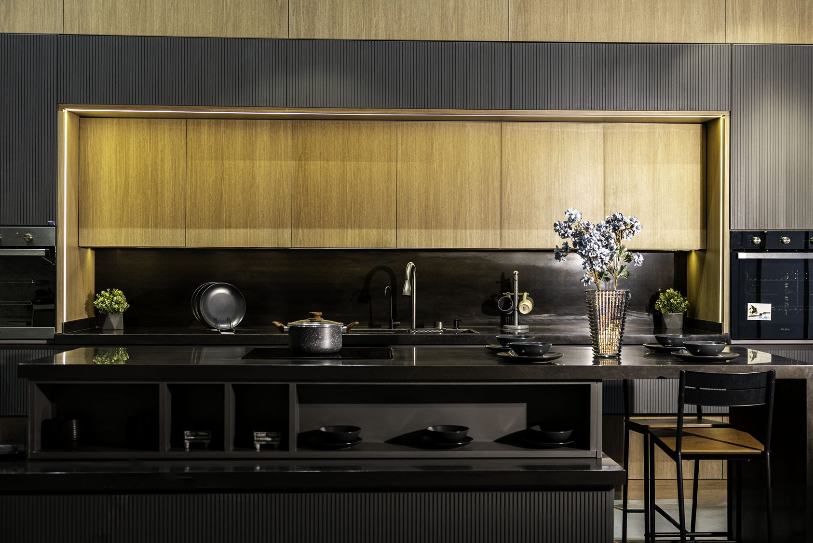
Dubai’s kitchen renovation market has grown fast over the past two years, driven by a wave of long-term residents settling into villas and apartments they now plan to keep for a while rather than flip. A kitchen that worked fine for a two-year lease starts to look dated once a family decides to stay put for five or ten years. That shift, from short-term tenant thinking to long-term homeowner thinking, is the real driver behind the renovation boom, more than any single design trend.
Anyone comparing kitchen remodeling dubai contractors this year will notice how much the market has professionalized. Five years ago it was common to hire a general handyman for a kitchen job. Now most serious renovation firms carry structured project timelines, fixed-price quotes broken down by scope, and in-house teams for tiling, electrics, and joinery rather than a rotating cast of subcontractors. That professionalization is good news for homeowners, but it also means the paperwork side of a renovation has become more formal too.
Before getting into design and cost, the two questions worth answering first are whether the project needs government or building approval, and what it will realistically cost based on scope rather than square footage alone.
Do You Need Approval Before You Start
The short answer is that it depends on what changes. Cosmetic work, new cabinet doors, a repainted ceiling, a swapped-out tap, generally does not trigger a formal Dubai Municipality permit. Anything that touches the structure, moves plumbing or electrical lines, changes the kitchen’s footprint, or alters shared building systems is a different matter. Dubai Municipality treats structural and MEP (mechanical, electrical, plumbing) alterations as permit-triggering work, and skipping that step can mean fines or a stop-work order partway through the job.
Apartment owners have an extra layer on top of the municipality rules: building management approval. Even a purely cosmetic kitchen fit-out in a tower usually needs a no-objection certificate from the building’s management office, mainly so they can control noise hours, contractor access, and waste removal through common areas. Villa owners in freehold communities often face the same requirement from their community developer.
Tenants face the most layers of all. A renter cannot simply hire a contractor and start work. The Dubai Land Department, which regulates the landlord-tenant relationship in Dubai through RERA, expects a tenant to have written landlord consent before altering a rented unit, separate from any building management sign-off. Skipping this step is one of the more common ways renovation disagreements end up in front of the Rental Dispute Settlement Centre.
What a Kitchen Remodel Actually Costs in Dubai
Cost gets thrown around loosely in most conversations, so it helps to separate the work into three real tiers rather than one blended average.
| Scope | What is included | Typical cost (AED) |
|---|---|---|
| Cosmetic refresh | New cabinet doors and handles, repainted or resurfaced worktop, updated fixtures | 8,000 to 35,000 |
| Standard renovation | New cabinets in the existing layout, quartz worktop, tiling, sink, tap, updated electrics | 45,000 to 75,000 |
| Full or premium remodel | Layout changes, custom joinery, an island, imported appliances, full plumbing and electrical rework | 80,000 to 250,000+ |
Most Dubai kitchens land somewhere between AED 30,000 and AED 120,000. The variable that moves the number more than any other single factor is whether the layout changes. Keeping the sink, stove, and fridge in their existing positions avoids re-routing plumbing and gas lines, which is consistently the most expensive line item on a renovation quote. A kitchen that looks completely different but keeps the same footprint can often be delivered for close to half the cost of one that moves the island six feet to the left.
Payment structure is worth agreeing on before signing anything. Reputable Dubai renovation contractors typically work on a staged schedule, a deposit to begin, a payment at the halfway point once cabinetry and tiling are underway, and a final payment on completion, rather than asking for the full amount upfront. Paying more than thirty to forty percent before any work has actually started is a common red flag, since it removes the contractor’s incentive to finish on schedule.
Materials That Hold Up to Dubai’s Climate
Humidity and heat are not dramatic inside an air-conditioned apartment, but they do their damage slowly, through condensation around windows, moisture trapped behind poorly sealed cabinetry, and UV exposure on any surface that catches direct sun through a kitchen window.
Quartz has become the default worktop material for a reason: it does not need sealing the way natural stone does, and it resists the staining that shows up fast in a household cooking with turmeric, saffron, or tomato-based sauces, all common across Emirati and South Asian kitchens in the UAE. Solid timber cabinetry looks good in photos but needs a genuinely well-controlled indoor humidity level to avoid warping over years, which makes it a riskier choice for a villa with inconsistent air conditioning use than for a consistently cooled apartment.
For 2026, the design trend running through most Dubai projects is a move toward matte, handleless cabinetry in warm tones, walnut browns, olive greens, and charcoal, paired with lighter stone worktops for contrast. Open shelving has largely fallen out of favor here, mainly because of dust. A closed cabinet holds up far better than an open shelf in a city where windows stay shut most of the year and air conditioning systems circulate fine desert dust regardless of how clean the unit is kept.
Ventilation and Odour Control
Ventilation gets less attention than cabinetry or worktops, but it matters more in Dubai than in most climates, precisely because windows stay shut for most of the year. A kitchen with a poor extraction system traps cooking odour, oil residue, and moisture indoors instead of pushing it outside, and that residue eventually finds its way onto cabinet fronts and ceiling paint.
Ducted extractor hoods, which vent directly outside through a wall or roof duct, perform far better than recirculating hoods that filter air and blow it back into the room. Recirculating units are common in apartments where running a duct to an exterior wall is not practical, and while newer carbon-filter models have improved, they still fall short of a properly ducted system for heavy daily cooking. Anyone renovating a kitchen that handles regular frying or grilling, common in many UAE households, should ask a contractor directly whether ducted extraction is possible before settling for a recirculating unit out of convenience.
Gas and Electrical Safety
Any renovation that touches gas lines or adds new electrical circuits needs to meet Dubai Civil Defence safety requirements, not just general building code minimums. LPG cylinder storage in particular has specific placement and ventilation rules, and a poorly installed gas connection is one of the more serious risks hiding inside an otherwise cosmetic-looking renovation. The technical guidance on LPG cylinder safety published for the emirate spells out storage location, ventilation, and shut-off valve placement in detail, and a competent contractor should be able to point to exactly how their installation meets it.
On the appliance side, anything sold in the UAE, from cooktops to extractor hoods, should carry certification through the Emirates Authority for Standardization and Metrology, which sets the electrical safety and energy efficiency standards appliances need to meet before they can legally be sold here. Cheaper imported appliances bought outside official retail channels sometimes skip this certification entirely, which matters both for day-to-day safety and for insurance claims if something goes wrong later.
How Long a Kitchen Remodeling Actually Takes
A kitchen remodeling like a cosmetic refresh, new doors, worktop, and fixtures, typically runs one to two weeks from the day work starts. A standard remodeling that keeps the existing layout but replaces cabinets, tiling, and electrics usually takes three to four weeks. A full remodel involving layout changes and custom joinery can run six to ten weeks, largely because custom cabinetry has its own manufacturing lead time separate from the on-site installation schedule.
The timeline quoted upfront rarely accounts for permit processing, which can add one to three weeks depending on the building and the scope of MEP work involved. Homeowners who build that approval time into their planning avoid the most common source of frustration in Dubai renovations: a contractor who is ready to start but is still waiting on paperwork that someone forgot to file early.
Common Mistakes Worth Avoiding
A few mistakes show up again and again in Dubai kitchen renovations, and most of them trace back to rushing the planning stage rather than the execution.
Skipping the NOC step because a contractor says it will not be a problem is the most expensive one. Building management can and does issue stop-work notices mid-project, and by that point demolition has usually already happened, leaving a homeowner with a torn-out kitchen and no legal path to finish it quickly.
Choosing worktop and cabinet finishes purely from a supplier showroom, without checking how the same material performs after a year of daily UAE cooking, is another common regret. A showroom sample sits under gentle lighting with no exposure to steam, oil, or hard water. Ask any contractor for photos of the same material in a kitchen that has been in daily use for at least twelve months.
Underestimating appliance lead time is a third one. Premium imported appliances can take four to six weeks to arrive after ordering, and a renovation schedule built around a two-week installation window falls apart quickly if the oven or hob has not cleared customs yet. Confirming appliance availability before demolition starts, rather than after, avoids a kitchen sitting half-finished for a month while a shipment clears the port.
Choosing a Contractor
A few questions tend to separate a contractor worth hiring from one worth avoiding:
- Do they handle the NOC and permit process directly, or leave it entirely to the homeowner?
- Is the quote broken down by scope item, or presented as a single lump sum with no detail behind it?
- Do they have in-house electricians and plumbers, or subcontract every trade separately?
- Can they show recent project photos or references from buildings in the same community?
- What is their policy if hidden issues, old wiring, damaged subflooring, turn up once demolition starts?
A contractor who cannot give a straight answer on any of these is one worth being cautious about, regardless of how competitive the quote looks on paper.
FAQs
Do I need a permit for a cosmetic kitchen refresh in my apartment?
Usually not from Dubai Municipality if nothing structural or MEP-related changes, but most buildings still require a no-objection certificate from management before work begins.
Can a tenant renovate a rented kitchen in Dubai?
Only with written landlord consent in addition to building management approval. Both are required, not one or the other.
What is the single biggest factor in kitchen renovation cost?
Whether the layout changes. Keeping the sink, stove, and fridge in their existing positions avoids the plumbing and gas re-routing that drives most cost overruns.
How long does a full kitchen remodel take in Dubai?
Six to ten weeks for layout changes and custom cabinetry, plus one to three weeks for permit processing that often gets left out of the initial timeline.
Looking for a contractor who handles the paperwork, safety compliance, and installation as one package rather than three separate headaches? Deccan Services Dubai covers kitchen fit-outs along with the hood, exhaust, tiling, and plumbing work that goes with a full renovation, worth asking about directly if a quote only covers cabinetry and worktops.